

Follicle size is one of the main things your doctor tracks during IVF. It shows how your ovaries are responding to stimulation medications and when your eggs are mature enough for retrieval. The ideal follicle size for IVF is usually 18 to 22 mm before the trigger shot. But what size should your follicles be on any given day? Do they all need to grow at the same rate?
This guide explains how follicles grow day by day, how they’re measured, and what your ultrasound results mean for your cycle.
What Exactly Are Follicles?
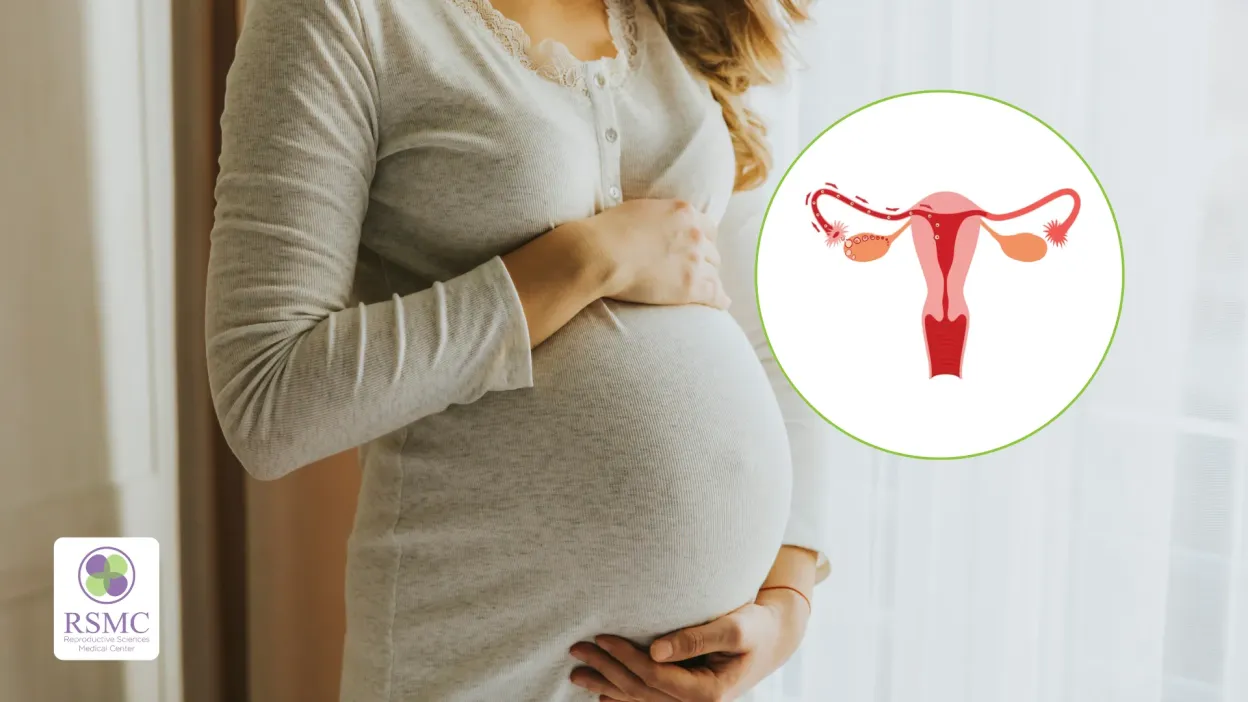
Follicles are small sacs in the ovaries that contain immature eggs. During a typical menstrual cycle, follicles grow as they prepare for the release of a mature egg at ovulation. In IVF, your clinic closely monitors how these follicles grow and develop to make sure the eggs inside are maturing at the right pace. Each follicle holds one potential egg, so its size can indicate when the eggs might be ready for retrieval.

Why Does Follicle Growth Matter During IVF?
Follicle size is important in IVF because it helps determine the best time for retrieval. The goal is to retrieve eggs when they are mature enough to be fertilized but not so mature that they might be compromised. Tracking a good follicle size for IVF retrieval helps the doctor administer the “trigger shot” at the right moment, which improves the chances of retrieving high-quality eggs. This shot stimulates final egg maturation, and timing it accurately can increase the likelihood of successful fertilization and embryo development.
A Day-by-Day Guide to Follicle Size
During IVF, your doctor will monitor your follicles regularly, typically through ultrasounds and hormone-level testing. Each patient is unique, so your follicle growth may differ slightly from this general guide. However, a regular monitoring schedule ensures your medical team makes informed adjustments based on your individual response.
Here’s a rough timeline of how follicle growth usually progresses:
- Days 1-4: Early stimulation starts with small follicles (around 2-3 mm in size).
- Days 5-8: By this point, follicles may reach around 8-12 mm as they start responding to the medication.
- Days 9-12: Follicles should ideally reach around 18-22 mm, which signals that they’re approaching maturity. This is the range where doctors start considering the trigger shot.
How to Interpret Follicle Size Data
Follicle growth isn’t always consistent, and you may notice different patterns. Understanding how to interpret this data and knowing when the timing is right for the trigger shot is important for your IVF journey.
Let’s look at some common scenarios and what they might mean for your cycle:
Slow Follicle Growth
In some cases, follicles may grow more slowly than expected. Your fertility specialist might adjust your medication dosage to encourage further follicle development. While slower growth can be concerning, it doesn’t necessarily mean the cycle won’t be successful. It often means your body needs a bit more time on the meds for those eggs to catch up and mature properly.
Optimal Follicle Growth
The ideal follicle size for the IVF trigger shot is usually between 18 and 22 mm. This size indicates that the eggs inside are likely mature enough for successful retrieval. For most IVF cycles, follicles in this range offer the best chances of producing mature, fertilizable eggs.
Rapid Follicle Growth
In some cases, follicles may grow rapidly. While this might seem positive, if follicles mature too quickly, they might reach peak size before other follicles have developed, leading to uneven growth. Your doctor may adjust your protocol to promote more uniform development.
Inconsistent Follicle Growth
It’s also possible for follicles to grow at different rates. Not every follicle will reach the same size, and only those within the target range of 18-22 mm approx will be considered for retrieval. This variance is normal, and your doctor will aim to maximize the number of mature eggs.
What Is the Ideal Follicle Growth During IVF?
An ideal follicle growth pattern involves multiple follicles reaching a size of around 18-22 mm. At this stage, the follicles are considered mature and ready for the trigger shot, setting the stage for a successful egg retrieval. Growth is typically achieved with the help of fertility medications, which are designed to stimulate the ovaries.
How Will My Clinician Measure My Follicle Growth?

Throughout the IVF cycle, your clinician will use a transvaginal ultrasound to measure your follicles. Ultrasound imaging allows your doctor to observe the number, size, and growth rate of the follicles. Blood tests are also conducted to measure hormone levels, which help determine how your body is responding to the medication.
Number of Follicles Needed for IVF
For IVF, the number of follicles matters, but quality is equally important. Having between 8 and 15 follicles reaching maturity is generally considered favorable. However, IVF can be successful with fewer follicles as well, especially if the mature eggs are of high quality. Each case is different, and a smaller number of high-quality eggs can still lead to a successful outcome.
IVF Trigger Shot
The IVF trigger shot, usually a medication like hCG, is given when follicles have reached a good follicle size for IVF (typically 18-22 mm). This shot stimulates the final maturation of eggs and helps prepare them for retrieval. The timing of the trigger shot is critical because it determines when the eggs will be ready for collection. Once the trigger is administered, retrieval generally occurs 36-38 hours later.
Should I Track My Follicle Growth?
Tracking your follicle growth can help you understand the process and feel more involved. But it’s important to know that every cycle is unique, so your numbers may not look like anyone else’s. Your doctor is there to interpret the results and guide you. You just have to share any questions or concerns with your medical team so they can answer them and make sure you’re on the best path for your specific situation.
FAQs
Final Thoughts
Your follicle size matters during IVF. Ideally, your leading follicles should be between 18 and 22 mm so the eggs inside are mature enough for retrieval. But no single measurement guarantees a successful cycle. Follicles grow at different rates, so your doctor looks at their size alongside your hormone levels and overall response to stimulation to decide the right time for the trigger shot.
If your follicles aren’t all the same size or haven’t reached the expected range yet, don’t panic. It doesn’t automatically mean something is wrong. Your doctor will decide the best next step based on your progress.
Have questions about your follicle growth or want to learn more about the IVF process? Our team can walk you through your results and your options.


Table of Contents
- What Exactly Are Follicles?
- Why Does Follicle Growth Matter During IVF?
- A Day-by-Day Guide to Follicle Size
- How to Interpret Follicle Size Data
- What Is the Ideal Follicle Growth During IVF?
- How Will My Clinician Measure My Follicle Growth?
- Number of Follicles Needed for IVF
- IVF Trigger Shot
- Should I Track My Follicle Growth?
- FAQs

