
What Does an IVF Egg Retrieval Process Involve?
Egg retrieval is one of the most important milestones in an IVF cycle. Weeks of preparation and ovarian stimulation lead up to this one short outpatient procedure. It’s normal to have questions about what happens before, during, and after.
This guide walks through all six steps, from your first preparation appointment through what recovery actually feels like in the days that follow.

Key Takeaways
What Is an IVF Egg Retrieval?
Egg retrieval, also called oocyte retrieval or egg harvesting, is the step where mature eggs are collected directly from the ovaries. It follows ovarian stimulation. It comes before fertilization in the lab, whether through conventional insemination or ICSI.
Eggs may come from the intended mother or from an egg donor. The retrieval process is the same either way. Patients preparing for cancer treatment or freezing eggs for later use go through this same procedure.
Step 1: Preparing for Egg Retrieval
Preparation starts well before your procedure date. Your fertility team typically orders baseline bloodwork to check ovarian reserve, along with a baseline ultrasound. From there, they build a treatment plan suited to your goals.
Avoid alcohol, cigarettes, and vaping
Eat a balanced, nutrient-dense diet
Get moderate, low-impact exercise
Keep a consistent sleep schedule
Take a prenatal vitamin
Reduce stress where possible
Once your cycle begins, you’ll get a treatment calendar. It outlines every appointment and medication in your IVF medication protocol, so there are no surprises about what comes next.
Step 2: Ovarian Stimulation and Monitoring
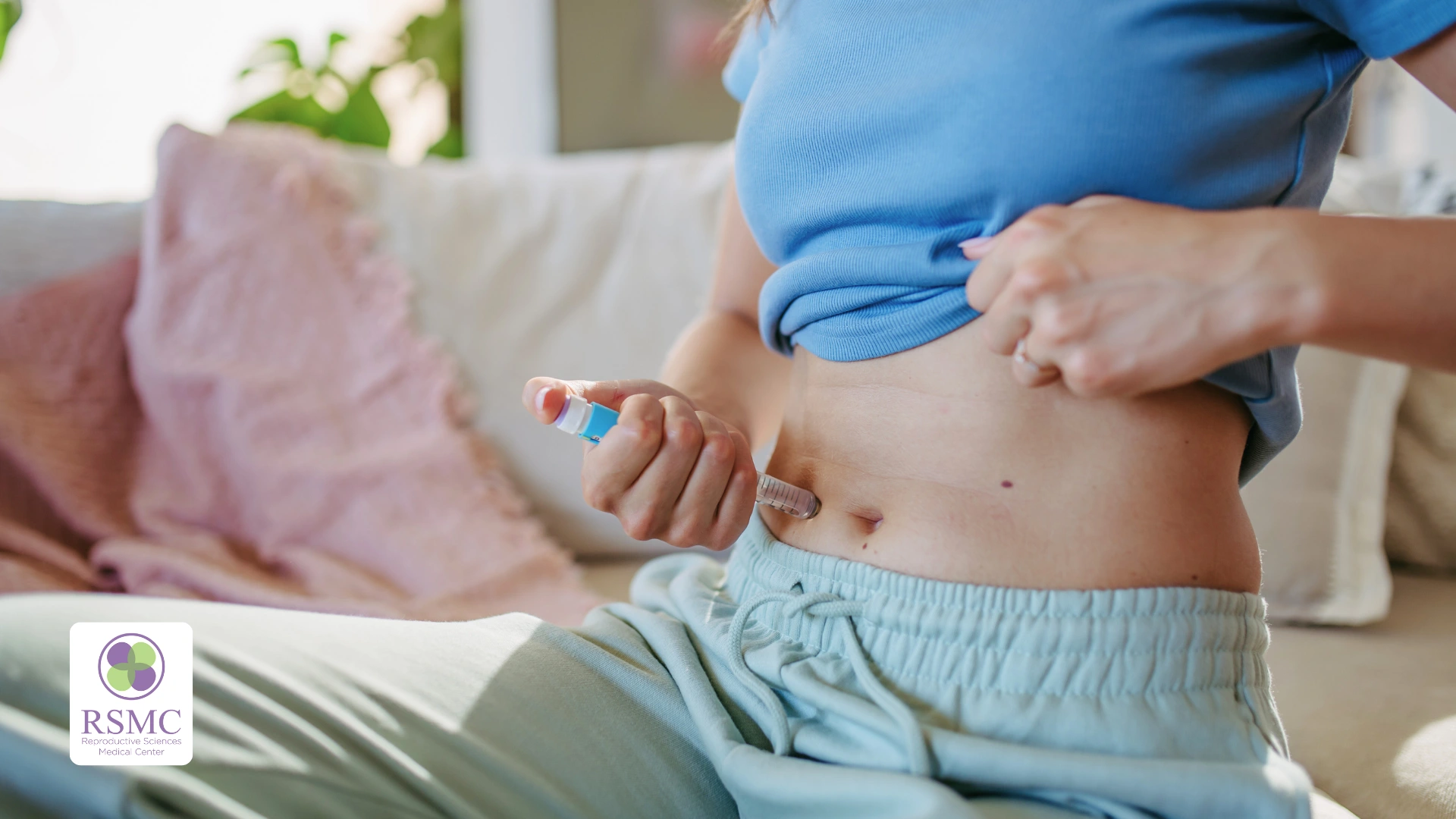
Ovarian stimulation uses injectable hormone medications, usually follicle-stimulating hormone (FSH), luteinizing hormone (LH), or both. The goal is to mature multiple eggs in one cycle instead of the single egg your body releases naturally. Medications typically start on day two or three of your period. Most protocols run 10 to 14 days, with injections once or twice daily.
Stimulation injections begin, usually FSH, LH, or both
First monitoring visit: vaginal ultrasound counts and measures follicles, often paired with estradiol bloodwork
Follow-up monitoring visits, most patients need 2 to 4 total before retrieval
Follicles reach target size of 18 to 20mm, ready for the trigger shot
About one week into stimulation, you’ll return for a vaginal ultrasound. This counts and measures your follicles, the fluid-filled sacs that each hold one egg. Bloodwork to check estradiol levels is often done at the same visit, since rising estradiol reflects how many follicles are maturing.
Most patients need two to four monitoring visits before retrieval. Follicles grow roughly 1 to 2mm per day until they reach the target size of 18 to 20mm.
Step 3: The Trigger Shot and Timing
Once most follicles reach the target size, your doctor schedules a trigger shot. This is an injection of human chorionic gonadotropin (hCG). It causes the eggs to finish maturing and detach from the follicle wall.
Timing is critical. Egg retrieval is scheduled exactly 34 to 36 hours after the trigger shot. Taking it even slightly off schedule can affect egg maturity at retrieval, so follow your clinic’s written instructions exactly.
Step 4: The Egg Retrieval Procedure
Egg retrieval is a short outpatient procedure, generally lasting 15 to 30 minutes, depending on how many follicles you have. You won’t eat or drink anything after midnight the night before. Plan to arrive at least 30 minutes ahead of your scheduled time.
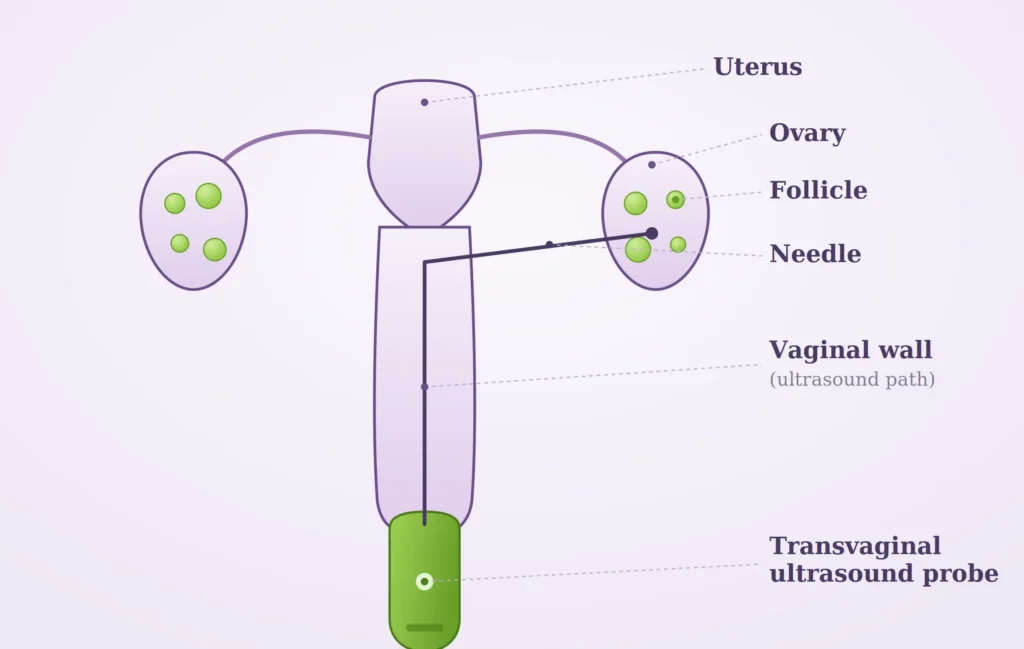
You’ll be sedated for the procedure by an anesthesia team, so that you won’t feel discomfort. Using transvaginal ultrasound guidance, your doctor inserts a thin needle through the vaginal wall into each follicle. Light suction gently draws out the fluid and egg. The fluid goes immediately to the lab, where embryologists identify and isolate each egg.
After the needle is removed, your doctor checks the retrieval sites for bleeding. This is uncommon and usually resolves with light pressure. There are no incisions and no stitches.
Step 5: Lab Analysis and Fertilization
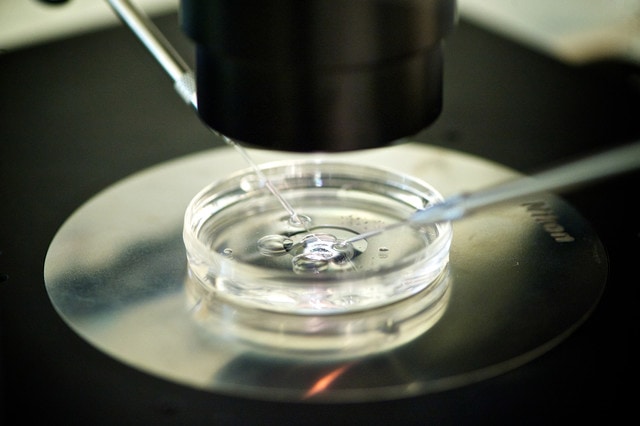
Once your eggs reach the lab, embryologists evaluate each one for maturity. Mature eggs may be fertilized the same day, either through conventional insemination or ICSI, or frozen through vitrification for future use.
If fertilization happens now, you’ll typically learn within about 18 hours whether the eggs are fertilized and are developing into embryos. Embryos are then observed and graded for two to five days before transfer or freezing. If genetic testing is planned, it’s typically done once the embryo reaches the blastocyst stage, around day five or six.
Your embryology team usually calls within 24 hours of retrieval to update you on how many eggs were collected and how many are progressing.
Step 6: Recovery and Aftercare
The First Few Hours
After retrieval, you’ll rest in a recovery area for about an hour while the sedation wears off. You won’t be able to drive for the rest of the day, so arrange a ride home in advance. Most patients feel groggy and crampy right afterward, similar to menstrual cramps. Mild pain medication is usually offered before discharge.
At-Home Recovery
Take the rest of the day off. Sedation typically clears within 24 hours, so avoid driving or making major decisions until then. A light meal, a heating pad, and plenty of fluids help with cramping and bloating. Many patients return to work the next day, though some prefer an extra day. Light walking is fine. Save heavier exercise for after your doctor clears you (more on why below).
Normal Symptoms vs. When to Call Your Doctor
Mild to moderate cramping, bloating, light spotting for a few days, fatigue, and mild mood changes due to hormonal shifts.
Severe or worsening abdominal pain, heavy bleeding, fever, significant nausea or vomiting, rapid weight gain, or difficulty breathing. These can signal ovarian hyperstimulation syndrome (OHSS), a rare but serious complication that needs prompt medical attention.
Eating, Exercise, and Sex After Egg Retrieval
Most doctors recommend waiting about a week, until spotting and bloating resolve, before resuming sex or vigorous exercise. Your ovaries stay enlarged for a few days after retrieval, and jostling them too soon carries a small risk of ovarian torsion. Staying hydrated and eating enough protein and electrolytes in the days after retrieval can also ease bloating.
Timing
Wait about a week for spotting and bloating to resolve
Hydration
Stay hydrated to help ease bloating
Nutrition
Eat enough protein and electrolytes to support recovery
How Many Eggs Are Retrieved During IVF?
Egg count varies widely based on age, ovarian reserve, and how your ovaries respond to stimulation. Younger patients and those with higher ovarian reserve typically produce more eggs per cycle. Patients with diminished ovarian reserve may retrieve fewer.
Your fertility team sets expectations for your specific cycle based on your monitoring results, since egg count alone doesn’t determine success. Not every egg retrieved is mature, and not every mature egg fertilizes or develops into a viable embryo.
National data from SART and the CDC’s ART report can offer a benchmark, though your own numbers depend on your individual profile.
This step is one part of the broader IVF timeline, which covers the full process from consultation to pregnancy test.
Frequently Asked Questions
Final Thoughts
Egg retrieval is a single day within a much longer process, but it is often the step patients feel most anxious about beforehand. Knowing what happens at each stage, from the trigger shot’s precise timing to what counts as normal in the days after, can make the process feel far more manageable. Every patient’s cycle looks a little different, and your fertility team will walk you through what to expect based on your own monitoring results and history.



Table of Contents
- What Does an IVF Egg Retrieval Process Involve?
- What Is an IVF Egg Retrieval?
- Step 1: Preparing for Egg Retrieval
- Step 2: Ovarian Stimulation and Monitoring
- Step 3: The Trigger Shot and Timing
- Step 4: The Egg Retrieval Procedure
- Step 5: Lab Analysis and Fertilization
- Step 6: Recovery and Aftercare
- Normal Symptoms vs. When to Call Your Doctor
- Eating, Exercise, and Sex After Egg Retrieval
- How Many Eggs Are Retrieved During IVF?
- Frequently Asked Questions
- Final Thoughts