

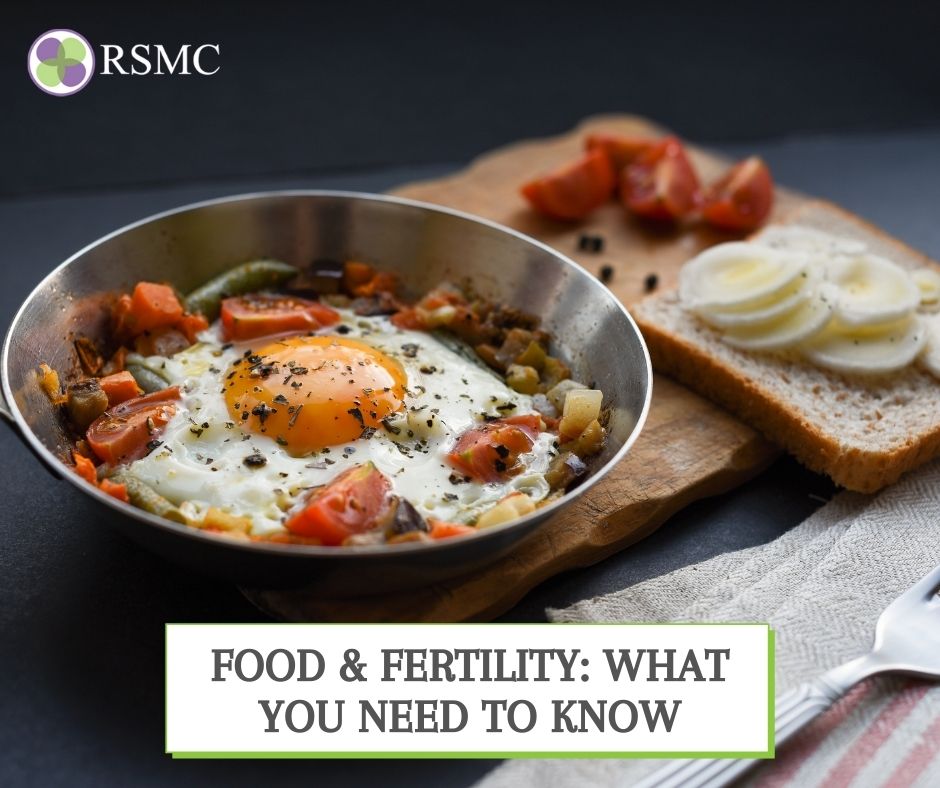
If you’re trying to get pregnant, you’ve probably wondered whether your diet plays a role. The short answer is yes. What you eat affects your reproductive health, and the impact is bigger than most people think. According to the Nurses’ Health Study II, poor diet accounted for 46% of infertility cases — more than BMI or physical activity.
While there’s no single food that guarantees conception, eating a whole-food diet built around vegetables, legumes, fatty fish, whole grains, and healthy fats (similar to the Mediterranean diet) is consistently linked to better fertility outcomes for both men and women.
In this article, we’ll cover the best foods to improve fertility, the foods that work against you, and the questions patients ask us most.

How Does Diet Affect Fertility?
Diet affects fertility by supplying the nutrients your body needs to ovulate regularly, produce healthy sperm, balance reproductive hormones, and maintain the uterine environment for implantation. When those nutrients are missing, the whole system suffers.
Here’s what the key nutrients do:
Folate (Vitamin B9)
Supports DNA synthesis, egg quality, and fetal development. Low folate levels raise the risk of reduced fertility and neural tube defects. This is why most doctors recommend it before conception, not just during pregnancy.
Omega-3 Fatty Acids
Reduce inflammation, regulate reproductive hormones, and improve blood flow to the reproductive organs. DHA and EPA, the forms found in fatty fish, are associated with better egg quality and higher pregnancy rates.
Antioxidants
Including vitamins C and E, selenium, and zinc protect eggs and sperm from oxidative damage. Oxidative stress disrupts reproductive health in both men and women, and diet is one of the main ways to counter it.
Iron
Especially from plant sources, helps lower the risk of ovulatory infertility. One study found that women who supplemented with iron had about a 40% lower risk compared to those who didn’t.
Vitamin D
Supports ovarian function in women and testosterone production in men. Low vitamin D levels have been linked to fertility problems in both men and women.
20 Foods to Improve Fertility
1. Salmon and Other Oily Fish
Salmon is one of the most fertility-supportive foods available. Fatty fish like salmon, sardines, mackerel, and lake trout are high in omega-3 fatty acids, which lower inflammation, support hormone production, and improve egg quality. Salmon is also a good source of vitamin D. Low vitamin D levels have been linked to reduced fertility in both men and women. Vitamin D also provides long-term benefits for both the mother and fetus throughout pregnancy.
2. Avocado
Avocado is rich in folate, monounsaturated fats, and vitamin E, which is particularly important for the development of the endometrium (the inner lining of the womb), where a fertilized egg implants. The healthy fats in avocado also help regulate reproductive hormones and support ovulation. Avocados are a good source of potassium and fiber, too, which contribute to overall hormonal balance.
3. Eggs
Eggs are one of the most nutrient-dense foods you can eat. They contain nearly every essential vitamin except vitamin C, plus healthy fats, protein, and choline — a nutrient critical for fetal brain development and cellular growth.
4. Carrots
Carrots are rich in beta-carotene, which the body converts to vitamin A. Beta-carotene promotes the production of progesterone — the hormone that prepares the uterine lining for embryo implantation. Research also suggests it improves sperm quality, including both motility and volume, so carrots are worth including for male fertility, too.
5. Chia Seeds
Chia seeds supply omega-3 fatty acids, fiber, and protein alongside an impressive range of minerals, including zinc, calcium, iron, selenium, and B vitamins, all of which play a role in reproductive health.
6. Beets
Beets are high in dietary nitrates, which improve blood circulation to the uterus. Good uterine blood flow is important for implantation, which is why fertility specialists often recommend them for women trying to conceive. Beets also contain resveratrol, an antioxidant that boosts fertility.
7. Walnuts
Walnuts have large amounts of omega-3 and omega-6 fatty acids, vitamin E, and antioxidants that protect both eggs and sperm from oxidative damage. One study found that men who ate about 42 grams of walnuts daily for three months saw improvements in sperm count, motility, and morphology. Walnuts also contain selenium, which may help reduce chromosomal damage in eggs.
8. Quinoa
Quinoa is one of the few plant foods that contains all essential amino acids, making it a complete protein. It’s also gluten-free, high in fiber, and a good source of zinc and folate. Since it has a lower glycemic impact than refined carbohydrates, quinoa helps keep blood sugar and insulin levels stable, which is especially important for women with Polycystic Ovarian Syndrome (PCOS).
9. Spinach and Kale
Spinach and kale are among the best food sources of folate — the natural form of folic acid. They also supply iron, calcium, beta-carotene, and antioxidants that slow cellular aging in reproductive cells. These greens can also prevent cell damage and support cellular repair.
10. Pomegranate
Pomegranate is loaded with antioxidants, vitamin C, vitamin K, and folate. It has anti-inflammatory properties and supports blood circulation and heart health. Some research also suggests it may improve sperm quality.
11. Beans and Lentils
Beans and lentils are high in plant-based protein, fiber, and folate. Research shows that swapping animal protein for plant protein can improve ovulation and reduce the risk of ovulatory infertility. Legumes are also a solid source of spermidine, a compound that research has linked to improved fertility.
12. Sunflower Seeds
Sunflower seeds are rich in vitamin E, zinc, selenium, and folate, which make them particularly useful for male fertility. Vitamin E has been shown to increase sperm count and motility, while zinc and selenium support sperm quality and DNA integrity.
13. Asparagus
Asparagus is one of the most nutritionally complete vegetables. One cup of cooked asparagus provides over 60% of the recommended daily folate intake, plus meaningful amounts of vitamins A, C, K, and B, and significant zinc and selenium. Its folate content alone makes it especially valuable when trying to get pregnant.
14. Sweet Potatoes
Sweet potatoes are rich in beta-carotene, which helps the body produce progesterone. They also contain vitamin A, potassium, and fiber, which support digestive health and help stabilize blood sugar levels.
15. Pineapple
One cup of pineapple provides about 46% of the daily recommended intake of vitamin C — a nutrient whose deficiency is known to worsen PCOS. Pineapple also contains bromelain, an enzyme with anti-inflammatory properties. Chronic inflammation can suppress ovulation and disrupt fertility, so including anti-inflammatory foods like pineapple in your diet is worth doing when trying to get pregnant.
16. Cinnamon
Cinnamon helps remedy irregular menstrual cycles in women struggling with PCOS. In one study, women with PCOS showed almost double the number of menstrual periods while taking cinnamon daily compared to women taking a placebo.
17. Yogurt
Yogurt contains as much calcium as milk and can help you meet your daily calcium needs. It is also rich in protein and folate. Plain varieties are the better choice, as they are free of added sugars and help keep calorie intake in check.
18. Dried Fruit
Dried fruits such as figs, dates, prunes, and dried apricots are great sources of protein, vitamins, and minerals. Many are valuable sources of fiber, iron, calcium, potassium, and antioxidants. They also supply selenium, which supports fertility in both men and women.
19. Berries
Strawberries, raspberries, and blueberries contain natural antioxidants as well as anti-inflammatory phytonutrients. Eating berries regularly improves fertility health in both men and women. They are also rich in vitamin C and folic acid, which support healthy fetal growth.
20. Water
Hydration is one of the most overlooked factors in fertility. Water supports kidney function, nutrient delivery to cells, and the quality of cervical fluid — all of which affect conception. It also helps manage constipation during pregnancy. Drinking enough water daily relative to your body weight is an easy and often underestimated step when trying to get pregnant.
Foods to Avoid When Trying to Conceive
A fertility-friendly diet is not just about what you add. What you cut back on matters just as much. These are the food categories that have been linked to reduced fertility in both men and women.
Trans fats and ultra-processed foods
Packaged snacks, fried foods, and margarine are common sources of trans fats, which raise the risk of ovulatory infertility, drive inflammation, and interfere with hormone signaling. Swap them for healthy fats from avocado, olive oil, and nuts.
Added sugar and refined carbohydrates
Too much sugar and refined carbs push blood sugar and insulin levels up, disrupting ovulation and hormone balance. Women with PCOS are particularly vulnerable to this. Replace white bread, sodas, and processed snacks with whole grains, fruit, and water.
High-mercury fish
Shark, swordfish, king mackerel, and bigeye tuna all carry high mercury levels that can reduce egg and sperm quality. Salmon, sardines, trout, and shrimp are low-mercury alternatives that are also good for fertility.
Alcohol
Even light drinking can reduce fertility in both men and women, affecting hormone levels, ovulation, and sperm quality. If you’re actively trying to conceive, cutting it out entirely is the safest call.
Excessive caffeine
Keep caffeine under 200 mg per day, roughly one cup of brewed coffee. More than that has been linked to a longer time to conception and a higher miscarriage risk.
Processed meats
Sausages, hot dogs, deli meats, and bacon contain preservatives and unhealthy fats that lower sperm quality in men and disrupt ovulation in women. Go for lean, minimally processed protein instead.
Fertility-Boosting Nutrients
| Nutrient | Why It Matters | Top Food Sources |
|---|---|---|
| Folate | DNA synthesis, egg quality, embryo development | Spinach, asparagus, lentils, avocado |
| Omega-3 Fatty Acids | Hormone production, reduces inflammation, egg quality | Salmon, walnuts, chia seeds |
| Vitamin D | Reproductive function in men and women | Salmon, eggs, fortified yogurt |
| Iron | Supports healthy ovulation | Spinach, lentils, dried fruit |
| Zinc | Sperm quality, hormone regulation | Sunflower seeds, quinoa, pumpkin seeds |
| Selenium | Protects eggs and sperm from DNA damage | Walnuts, sunflower seeds, eggs |
| Vitamin E | Supports endometrial development | Sunflower seeds, avocado, walnuts |
| Antioxidants | Protect reproductive cells from oxidative stress | Berries, pomegranate, kale, beets |
A Word From RSMC
When you’re trying to conceive, what you eat is one of the few things you can actually control. The foods covered here won’t solve every fertility challenge, but they give your body a solid nutritional base to work from.
That said, infertility has many possible causes — PCOS, endometriosis, hormonal imbalance, male factor issues, and more. Diet is one part of the picture, not the whole thing.
If you’ve made changes to how you eat and are still struggling to conceive, it’s worth speaking with a specialist. Schedule a consultation with RSMC today to find out what’s going on and what your options are.
Frequently Asked Questions


