
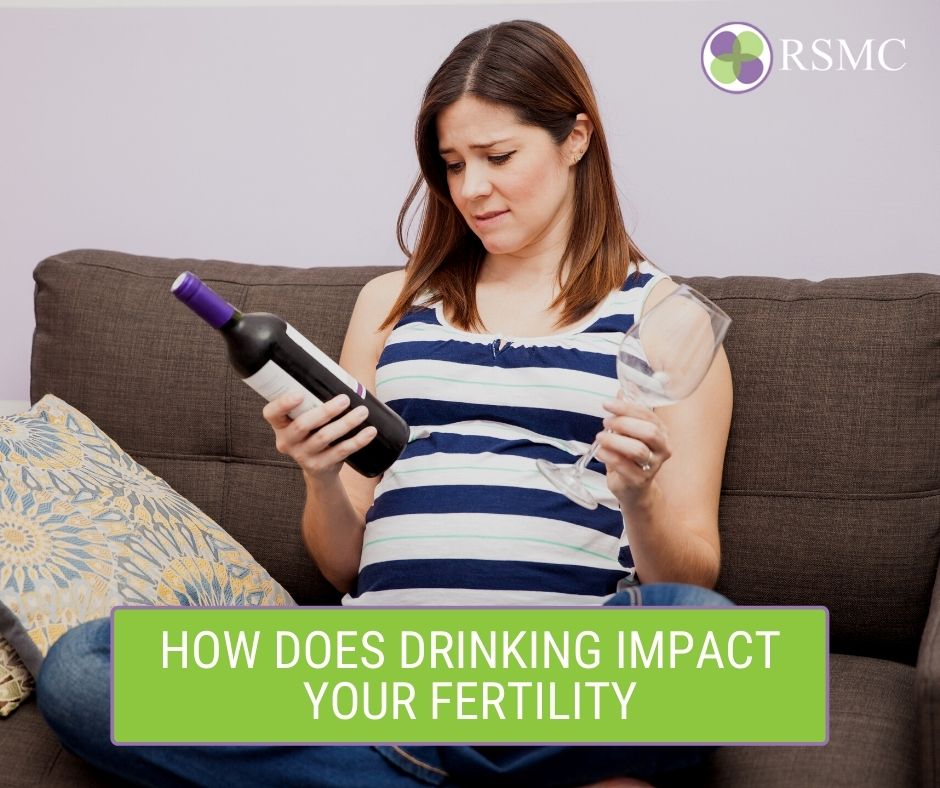
Drinking alcohol is one of the most common lifestyle factors linked to reduced fertility in both men and women. Yet it doesn’t get talked about nearly enough. If you’re trying to conceive, you’ve probably come across a lot of conflicting information about what’s safe and what isn’t.
The truth is: moderate drinking may not dramatically hurt your chances, but heavy drinking can make it harder to get pregnant and even harder for fertility treatment like IVF to work.
In this article, we’ll look at how alcohol can affect fertility in both men and women, how much is too much, and what you can do to give yourself the best chance of getting pregnant.

Key Takeaways
• Moderate drinking doesn’t seem to hurt a woman’s chances of conceiving directly, but more than 14 servings a week (about two and a half bottles of wine) can make it harder to get pregnant
• Alcohol affects fertility in both men and women. It disrupts ovulation, lowers egg quality and sperm count, and raises the risk of miscarriage
• No amount of alcohol has been proven completely safe when trying to get pregnant. If you’re not sure, it’s best to skip the drink
• If you’re going through IVF, you may need to avoid drinking completely. Alcohol intake can reduce the number of eggs retrieved and lower the odds of the embryo implanting and having a live baby
• Stay away from alcohol for at least two to three months before trying to conceive to give yourself the best shot at getting pregnant
Does Drinking Affect Men’s Fertility?
Yes, alcohol can affect male fertility in many ways. It interferes with the male reproductive system by disrupting the production of testosterone. Alcohol also affects the body’s ability to produce healthy, mature sperm that can fertilize an egg. Put simply, drinking large amounts of alcohol reduces a man’s ability to produce viable sperm.
A study of 1,221 men in Denmark found that sperm quality dropped in men who drank more than 5 units of alcohol per week, roughly three small beers. The drop was even more pronounced in men who drank over 25 units per week.
Beyond sperm count and quality, heavy drinking causes oxidative stress in the body, which can damage the DNA inside sperm. That DNA damage doesn’t just reduce the chance of fertilizing an egg; it can also raise the risk of miscarriage and developmental problems in the embryo.
Drinking large amounts of alcohol can also lead to erectile dysfunction, premature ejaculation, and very low libido, all of which further reduce the chances of getting pregnant.
Around 20–30% of fertility issues can be traced back to the male partner. This is why fertility doctors often recommend that both of you get tested, not just one. Alcohol is one of the common causes of male infertility, so it’s important to address your drinking when trying for a baby.
Does Drinking Affect Women’s Fertility?
Alcohol affects female fertility too. It disrupts the hormones your body needs to ovulate and can make your periods irregular. Heavy drinking can reduce your ovarian reserve, which means fewer eggs available over time. It can also prevent pregnancy by interfering with the implantation of a fertilized egg in the uterine wall. The more you drink, the worse these effects get.
A 2016 study, which looked at the drinking habits of over 6,000 women who were trying to conceive, found that women who drank fewer than 14 servings of alcohol per week (up to 13 four-ounce glasses of wine) were just as likely to get pregnant as women who didn’t drink at all.
However, heavier drinking, just over two bottles of wine per week, was linked to an 18% drop in the likelihood of getting pregnant.
Drinking in moderation doesn’t seem to directly hurt a woman’s chances of getting pregnant. But alcohol can still affect things like sexual function and body weight, which can make conception harder over time.
Heavy drinking is also linked to a higher risk of ovulation problems, miscarriage, and complications during pregnancy.
Since there’s no known safe level of alcohol for a developing baby, the safest thing to do is avoid it completely when you’re trying to conceive.
How Does Alcohol Affect Hormone Levels and Ovulation?
Alcohol can disrupt hormone levels in both men and women. In women, it can raise estrogen levels while lowering progesterone, an imbalance that makes it harder to conceive. It also affects the part of the brain that regulates key reproductive hormones, including estrogen, LH (luteinizing hormone), and FSH (follicle-stimulating hormone). When these hormones are thrown off, periods can become irregular, ovulation can be delayed, or the body may stop releasing an egg altogether.
Fewer ovulations mean lower chances of getting pregnant, since a cycle without an egg released leaves nothing for sperm to fertilize.
Does Alcohol Affect Egg Quality?
Yes, drinking can reduce egg quality in women. Alcohol can interfere with the way eggs develop inside the ovaries. It can slow or stop follicles (the sacs that hold developing eggs) from growing properly, as it interferes with the hormones that drive that process.
Alcohol can also cause chromosomal problems in eggs, leading to embryos with the wrong number of chromosomes, one of the main reasons IVF cycles fail. Alcohol can also create oxidative stress in the ovaries, which degrades egg quality over time.
How Does Alcohol Affect IVF Success Rates?
Alcohol can also affect your chances of getting pregnant with IVF, and it looks like IVF outcomes are more sensitive to alcohol than natural conception is; studies here find effects at levels far below the 14-servings-a-week threshold seen in general fertility research.
A 2011 study of couples undergoing IVF found that women drinking four or more alcoholic drinks per week had a 16% lower chance of a live birth than women drinking less, and when both partners drank that much, the couple’s odds of a live birth dropped by 21%.
A more recent 2022 review of over 26,000 women and partners found that drinking about seven or more drinks a week lowered a woman’s chances of getting pregnant through fertility treatment by 7%, and lowered the chance of a live birth for male partners by 9%.
Drop in live birth chances after IVF
Compared to couples who drank less
Purple: 2011 study of couples undergoing IVF. Green: 2022 review of over 26,000 women and partners. Bars scaled relative to the largest drop, 21%.
If you’re considering IVF, cutting out alcohol is one of the best ways to improve your odds of getting pregnant.
How Much Alcohol Is Too Much When Trying to Conceive?
There’s no clear answer here. What we do know is that the less alcohol you consume, the better, and none is safest.
Drinking more than 14 standard drinks a week, or about two per day, has been shown to make it harder to get pregnant.
For women, it’s worth avoiding alcohol during the second half of your menstrual cycle (the luteal phase), when implantation can occur, since even small amounts may affect the cycle at that point.
It’s also a good idea for couples to abstain during their fertile window until a pregnancy has been ruled out, since the embryo can be particularly vulnerable to alcohol in the earliest weeks after conception.
Bottom line: there’s no confirmed safe level of alcohol when you’re trying to get pregnant. Even if moderate drinking doesn’t dramatically hurt your fertility, it’s still a risk with no real upside.
When Should You Stop Drinking Before Trying to Conceive?
Some doctors advise cutting back or stopping alcohol two to three months before you start trying. This gives your body time to rebalance its hormones and, for men, produce new healthy sperm for fertilization.
If you’ve been drinking heavily, you should stop even earlier than that. The sooner you stop, the better shape your body will be in when you start trying.
How Reducing Alcohol Can Improve Your Fertility
Reducing alcohol is one of the most effective ways to boost your chances of getting pregnant. This is not just because of the impact alcohol has on your hormones and reproductive health, but also because of what it does to your overall health.
⚖️
1. Weight
Alcohol is full of empty calories the body doesn’t use for energy. Drinking regularly means taking in extra calories that tend to stick around. Excess weight can reduce a woman’s chances of conceiving and having a healthy pregnancy. Obesity is also linked to lower sperm count in men.
🍃
2. Nutrient Absorption
Alcohol slows the metabolism of food in the body and blocks absorption of nutrients you need to stay healthy, including folic acid, which is essential for a healthy pregnancy.
🏃
3. Exercise and Recovery
Depending on how much you drink, alcohol can make it harder to exercise effectively and slow your recovery afterward. Cutting it out can help you stay consistent with your fitness goals.
❤️
4. Sexual Function
Moderate drinking doesn’t seem to affect sexual function for most people. But heavy drinking can reduce libido, contribute to erectile dysfunction, and disrupt normal hormone signaling in both men and women.
Ready to Take the Next Step?
A glass of wine or a beer isn’t going to hurt your fertility. But if either of you drinks regularly, it may work against you when trying to get pregnant. As you plan toward starting a family, it’s good to cut back on alcohol, eat well, exercise, and manage stress to improve your chances.
If you’ve made these changes and are still struggling to conceive, we’re here to help. Our doctors at RSMC will work with you and your partner to find out what’s going on and recommend the treatment option for you.
FAQs